


.jpg)
Storms are a part of life in South Florida. From tropical storms and hurricanes to heavy rain and strong winds, homes in Miami and Delray Beach face weather conditions that can put significant stress on roofing systems. While some storm damage is immediately visible, other issues may remain hidden until they develop into expensive leaks or structural problems.
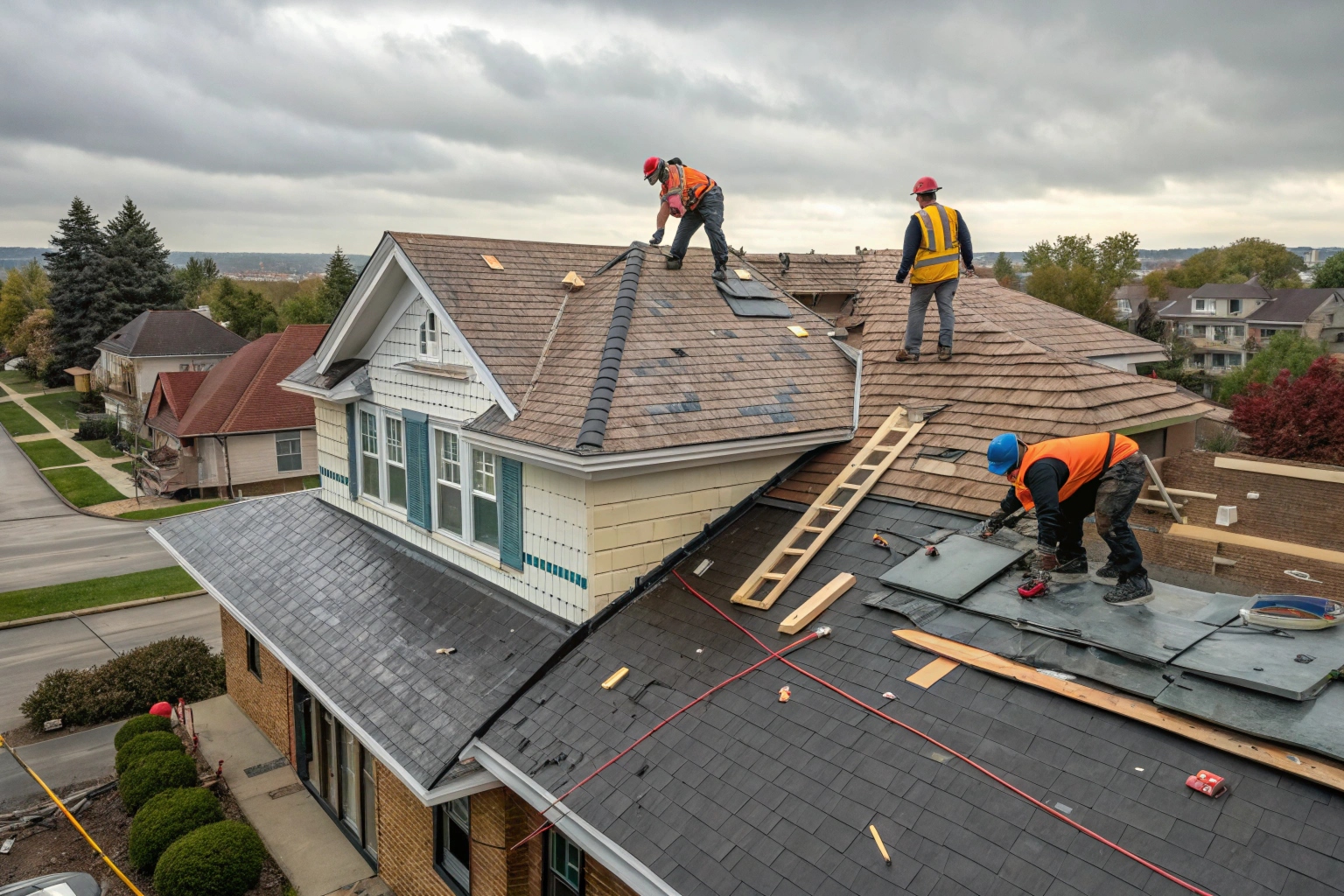
Knowing how to identify roof damage after a storm can help you protect your home, avoid costly repairs, and extend the life of your roof. Whether you have a shingle, tile, metal, or flat roof, recognizing the warning signs early can make all the difference.
In this guide, we'll explain the most common signs of storm-related roof damage, how to inspect your roof safely, and when it's time to call a professional roofing contractor.
Why Storm Damage Should Never Be Ignored
Storm damage isn't always dramatic. Even if your roof appears intact after a storm, hidden damage can allow water to penetrate beneath roofing materials, weakening your home's structure over time.
Ignoring minor issues today can result in:
- Interior water damage
- Mold and mildew growth
- Damaged insulation
- Rotting roof decking
- Higher energy bills
- Expensive roof replacement later
South Florida's climate makes prompt roof inspections especially important because high humidity and frequent rain accelerate the effects of water intrusion
Miami & Delray Beach Weather Creates Unique Roofing Challenges
Homes throughout Miami and Delray Beach experience:
- Hurricane-force winds
- Flying debris
- Heavy rainfall
- Salt air corrosion near the coast
- Intense UV exposure
- Frequent seasonal storms
These conditions can gradually weaken roofing materials even before a major storm occurs. After severe weather, a professional inspection helps identify damage that may not be visible from the ground.
10 Signs Your Roof May Be Damaged After a Storm
1. Missing or Lifted Shingles
High winds can loosen or completely remove shingles, exposing the underlayment beneath. Missing shingles leave your roof vulnerable to moisture infiltration and future wind damage.
Look for:
- Bare spots on the roof
- Curled shingles
- Lifted edges
- Shingles found in your yard
Even one missing shingle should be repaired quickly to prevent leaks.
2. Broken or Cracked Roof Tiles
Tile roofs are popular throughout South Florida because of their durability. However, strong winds and flying debris can crack or break individual tiles.
Watch for:
- Broken corners
- Cracked tiles
- Slipped tiles
- Missing pieces
Small cracks often allow water beneath the tiles, causing hidden damage long before leaks become noticeable indoors.
3. Water Stains Inside Your Home
Interior water stains often indicate roof damage.
Check for:
- Brown ceiling stains
- Wet drywall
- Bubbling paint
- Peeling wallpaper
- Damp insulation
Leaks may not appear immediately after a storm. Water can travel along rafters before becoming visible inside your home.
4. Damaged Flashing Around Roof Openings
Flashing protects vulnerable areas around:
- Chimneys
- Skylights
- Roof vents
- Plumbing vents
- Wall intersections
Strong winds can bend or loosen flashing, creating entry points for water. Damaged flashing is one of the most common causes of post-storm roof leaks.
5. Damaged Gutters and Downspouts
Your gutter system plays an important role in directing water away from your roof and foundation.
Inspect for:
- Detached gutters
- Bent sections
- Loose fasteners
- Overflowing water
- Sagging gutters
Storm-damaged gutters can cause water to back up onto the roof, increasing the risk of leaks.
6. Granules Collecting in Gutters
If your home has asphalt shingles, check the gutters for excessive granules.
Granules protect shingles from:
- UV rays
- Rain
- Wind
- Heat
After a storm, excessive granule loss may indicate that shingles have been damaged or are nearing the end of their lifespan.
7. Sagging Roof Areas
A sagging roof is a serious warning sign.
Possible causes include:
- Water-saturated decking
- Structural damage
- Rotting wood
- Long-term moisture intrusion
If you notice uneven rooflines or sagging sections, schedule a professional inspection immediately.
8. Fallen Tree Branches or Debris
Even small branches can damage roofing materials during high winds.
Inspect for:
- Punctures
- Cracked tiles
- Torn shingles
- Damaged flashing
Remove debris carefully, but avoid walking on the roof unless it's safe to do so.
9. Visible Damage to Metal Roofing Components
Metal roofs are durable but not immune to storm damage.
Look for:
- Bent panels
- Loose fasteners
- Lifted seams
- Damaged flashing
- Corrosion after prolonged exposure
Prompt repairs help maintain the roof's weather resistance.
10. Unexpected Increase in Energy Bills
Storm damage can affect your roof's insulation and ventilation.
Damaged roofing materials allow conditioned air to escape, forcing your HVAC system to work harder.
If your energy bills suddenly increase after a storm, your roof may require inspection.
How to Safely Inspect Your Roof After a Storm
Safety should always come first. Never climb onto your roof immediately after severe weather.
Instead, begin with a visual inspection from the ground.
Walk Around Your Home
Check for:
- Missing shingles
- Broken roof tiles
- Fallen debris
- Damaged gutters
- Bent flashing
Using binoculars can help you inspect your roof more closely without climbing.
Inspect Your Attic
Inside the attic, look for:
- Water stains
- Wet insulation
- Mold growth
- Sunlight shining through the roof
- Damp wood
These signs often reveal hidden roof damage before leaks become visible inside living spaces.
Avoid Climbing Onto the Roof
Storm-damaged roofs may be slippery or structurally weakened. Walking on them increases the risk of injury and can worsen existing damage.
Professional roofing contractors have the proper equipment and experience to inspect roofs safely.
Storm Damage That Isn't Visible From the Ground
Not all storm damage can be seen during a basic inspection.
Hidden problems may include:
- Lifted shingles
- Cracked underlayment
- Hairline tile fractures
- Loose flashing
- Moisture trapped beneath roofing materials
- Damaged roof decking
These issues often worsen over time if left unaddressed, eventually leading to leaks and structural deterioration.
When Should You Call a Roofing Professional?
Schedule a professional inspection if:
- A hurricane recently passed through your area.
- High winds exceeded local weather advisories.
- Tree branches struck your roof.
- You notice water stains indoors.
- Roofing materials are missing.
- Your roof is more than 15 years old.
- You suspect hidden storm damage.
A professional inspection can identify issues that homeowners often miss and provide recommendations before repairs become more extensive.
Will Homeowners Insurance Cover Storm Roof Damage?
Many homeowners insurance policies provide coverage for sudden storm-related roof damage caused by events such as high winds or hurricanes. Coverage varies by policy, so it's important to review your insurance documents and report damage promptly.
To support your claim:
- Take photos of visible damage.
- Document interior leaks.
- Save any damaged roofing materials if possible.
- Schedule a professional roof inspection.
- Keep records of repair estimates and communications with your insurer.
Professional inspection reports can help document the condition of your roof and assist during the claims process.
Preventing Future Storm Roof Damage
While no roof is completely storm-proof, regular maintenance can significantly reduce the risk of major damage.
Helpful preventative measures include:
- Schedule annual roof inspections.
- Replace damaged shingles or tiles promptly.
- Trim tree branches near the roof.
- Clean gutters regularly.
- Secure loose flashing.
- Address small leaks before they spread.
- Consider impact-resistant roofing materials during replacement.
Routine maintenance extends roof life and improves your home's ability to withstand future storms.
Why Professional Roof Inspections Matter in Miami & Delray Beach
South Florida's weather creates unique roofing challenges that require local expertise.
Professional inspections help identify:
- Wind damage
- Hidden leaks
- Storm-related structural issues
- Roofing material deterioration
- Areas requiring preventative maintenance
Experienced roofing professionals understand local weather conditions, regional building requirements, and common storm-related issues affecting homes throughout Miami and Delray Beach.
Early inspections also provide homeowners with a clear understanding of their roof's condition before small problems develop into costly repairs.
Conclusion
Storm damage isn't always easy to spot, but identifying problems early can save homeowners significant time, money, and stress. Missing shingles, cracked tiles, roof leaks, damaged flashing, and hidden moisture can all compromise the safety and performance of your roofing system.
After any major storm in Miami or Delray Beach, it's a good idea to perform a safe visual inspection and monitor your home for signs of damage. If you notice anything unusual—or simply want peace of mind—a professional roof inspection can help uncover hidden issues and recommend the appropriate repairs.
Protecting your roof after severe weather is one of the best ways to safeguard your home and avoid more extensive damage in the future.


